
The Reading Advantage No AI Can Replicate. Build It Before 2026.
We build AI summaries for a living, and we'll tell you when not to use them.

I have a fun fact that might make you put down your phone:
Reading for just 20-30 minutes a day could literally reshape your brain and add nearly two extra years to your life.
I know. You're busy. You've got AI summaries, podcast speed-ups, and endless shortcuts to "consume content faster." But the uncomfortable truth is that your brain doesn't want efficiency. It wants the slow, deliberate work of deep reading. And skipping that work might cost you more than you think.
Here's what the science says you should aim for, and why 2026 might be the year reading saves your brain.
The Ideal Reading Volume

Researchers have landed on a surprisingly accessible threshold for meaningful brain benefits.
The Optimal Zone: 30 Minutes Daily
The Yale Longevity Study followed 3,635 adults over age 50 for 12 years and discovered something dramatic: those who read books for 30 minutes or more daily lived an average of 23 months longer than non-readers. Nearly two extra years of life from a daily reading habit.
But here's the kicker: newspapers and magazines didn't provide the same benefit. Books were uniquely protective.
Why? Because book reading requires sustained attention, narrative comprehension, and emotional engagement in ways that shorter-form reading doesn't demand. Your brain works harder, and that work pays dividends.
The Minimum Effective Dose: Once a Week
The Taiwan 14-Year Study tracked 1,962 adults aged 64 and older and found something stunning: reading just once a week or more reduced cognitive decline risk by 46%.
Not 4.6%. Forty-six percent. This protective effect held consistent at 6-year, 10-year, and 14-year follow-ups. It didn't matter what education level participants started with. Reading protected them all.
Think about that. One weekly reading habit, maintained over time, cuts your risk of cognitive decline nearly in half. That's better than most medications.
The Quick Win: 6 Minutes
A study by University of Sussex in 2009 found that just 6 minutes of reading reduces stress levels by 68%. It means that reading is more effective than walking, listening to music, or drinking tea.
Bottom line? Aim for 30 minutes daily. But even one session per week moves the needle significantly.
Fun Facts That Make Reading Even More Appealing

Fact #1: Your Brain Lives the Story
When you read about a character climbing a mountain, your motor cortex fires as if you're climbing. Emory University brain scans showed this neural activity continues for days after finishing a book.
AI summaries give you information. Books give you experiences your brain can't distinguish from reality.
Fact #2: Books Work. Magazines Don't (As Much)
Yale's longevity study specifically isolated book reading as the driver of benefits. Newspapers and magazines didn't show the same effect. The sustained cognitive engagement of following narratives and complex arguments seems to be the key ingredient.
Fact #3: Your Brain Rewires at Any Age
Worried you missed the boat on building reading habits? A study showed adults develop new neural pathways and strengthen brain connectivity through reading regardless of when they start. Neuroplasticity doesn't expire.
Fact #4: Reading Builds Mental Armour
Regular readers develop "cognitive reserve", that is, a neural buffer that helps the brain compensate for aging and even injury. It's like building muscle memory for your mind, and it compounds over time.
Fact #5: The Numbers Don't Lie
- Average online reading session: 55 seconds
- Time needed for stress reduction: 6 minutes
- Time needed for cognitive benefits: 30 minutes daily
Come on. You know which one is better.

The AI Summary Paradox (and When They're Actually Useful)
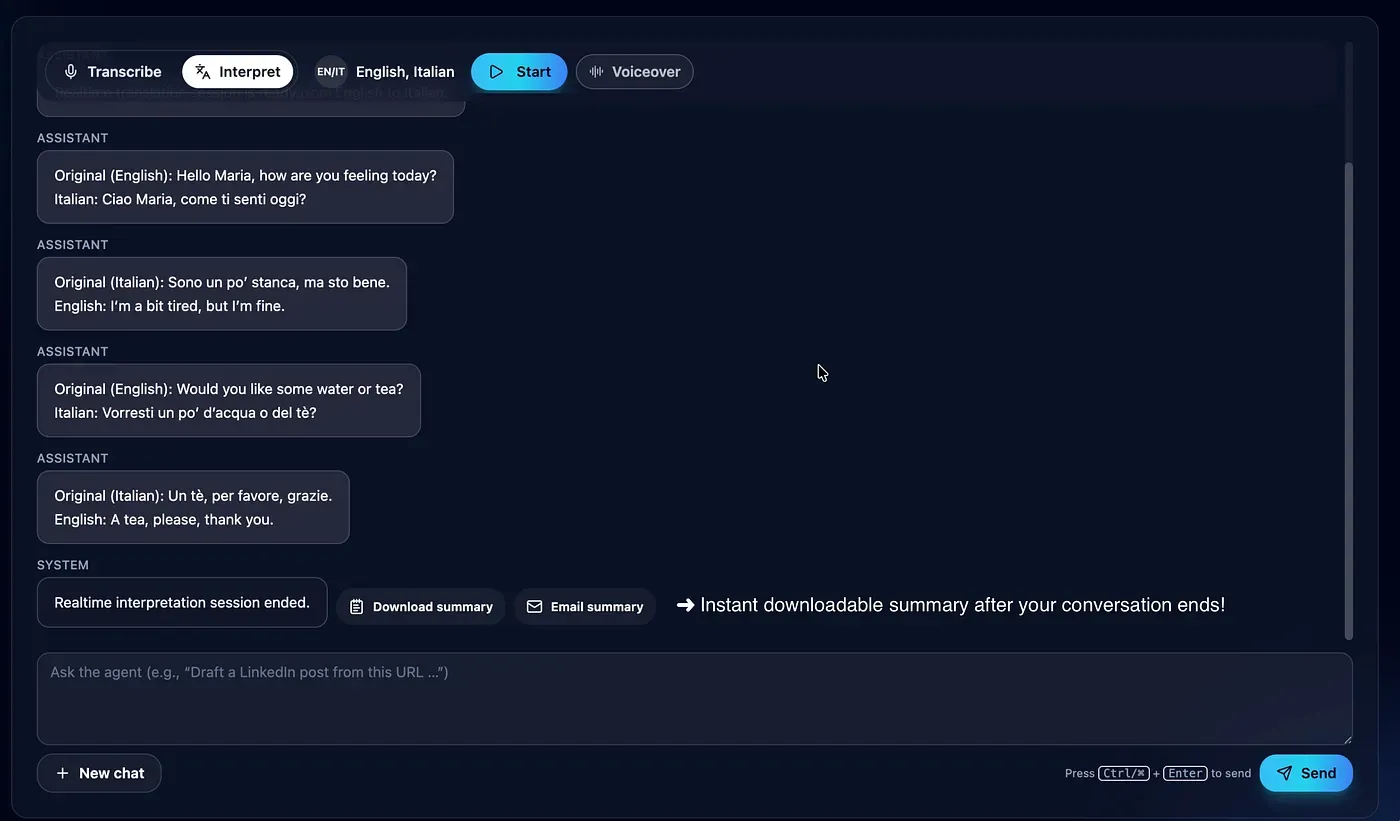
Now here's where it gets interesting, because I build AI tools that summarise information. Specifically, meeting transcription and translation software that generates summaries in real-time. So I'm acutely aware of the irony when I tell you: summaries are brilliant for some things and terrible for others.
Let me be clear:
Using AI summaries isn't a sin. It's smart, when used correctly.
Summaries are perfect for information triage.
You need to decide if a 200-page report is relevant to your project? Summary first, then read deeply if needed.
You're catching up on meeting notes from sessions you missed? Summaries capture action items and decisions efficiently.
You're scanning research papers to find relevant studies? Summaries help you filter faster than reading everything in full.
I built our meeting assistant tool precisely because sitting through hour-long meetings to extract five key decisions is an inefficient use of human cognition. The AI captures transcripts, identifies action items, highlights decisions, and generates summaries in multiple languages if needed.
That's valuable. That frees your brain for better tasks.
But here's what summaries can't do:
- They can't build the neural pathways that sustained reading creates.
- They can't give you the vocabulary acquisition that comes from encountering words in rich context.
- They can't provide the narrative immersion that strengthens empathy and theory of mind.
- They can't engage your brain in the kind of sustained, focused attention that actually reshapes your cognitive architecture.
Summaries give you information. Reading gives you transformation.

Now, think of it this way: a summary is like looking at a photo of a hiking trail. You know what the trail looks like, where it goes, what the view offers. But you didn't build any cardiovascular fitness. You didn't strengthen any muscles. You didn't experience the journey. Reading is taking the hike. Summaries are seeing photos afterward.
Both have value. Neither is evil. But only one builds the cognitive reserve that protects your brain decades from now.
When to use summaries: work documents, meeting notes, email threads, research paper screening, news updates, content filtering.
When to read deeply: books (especially fiction), long-form journalism, essays, anything where understanding matters more than information extraction.
Don't Wait for January: Start Today.

Let’s be real. How many of your '2025 New Year resolutions' actually became a reality?
So, don't wait for January 1st. The best time to build a habit is before everyone else is trying to do the same thing.
Pretend that I am your gym personal trainer. Here’s your dietary plan for you to review.
Now through December 2025 (The Head Start)
- Identify your reading window (morning, lunch, evening)
- Place a physical book in that location
- Start with 10-15 minutes (no pressure)
- Finish one book before the year ends
January–February 2026 (The Build)
- Extend to 20-25 minutes
- Add a second reading window if possible
- Track streaks, not pages
March 2026 onwards (The Compound)
- Lock in 30 minutes daily
- Mix formats: physical books, e-readers, audiobooks for commutes
- One book per month minimum
By December 2026: You'll have read 12+ books and made measurable deposits into your cognitive reserve account with a head start most people never got.
The Long Game

A year from now, two groups will have emerged:
Group A: Increasingly reliant on AI to process all information. Efficient, but cognitively static.
Group B: Using AI for appropriate tasks while maintaining deep reading habits. Efficient and building mental compound interest.
The research is clear on which group ages better.
The question isn't whether you'll join Group B in 2026. It's whether you'll start today or wait until everyone else does.
Your move: What's the first book you'll finish before the year ends?